
Newsletter Subscribe
Enter your email address below and subscribe to our newsletter

 ByJohn A
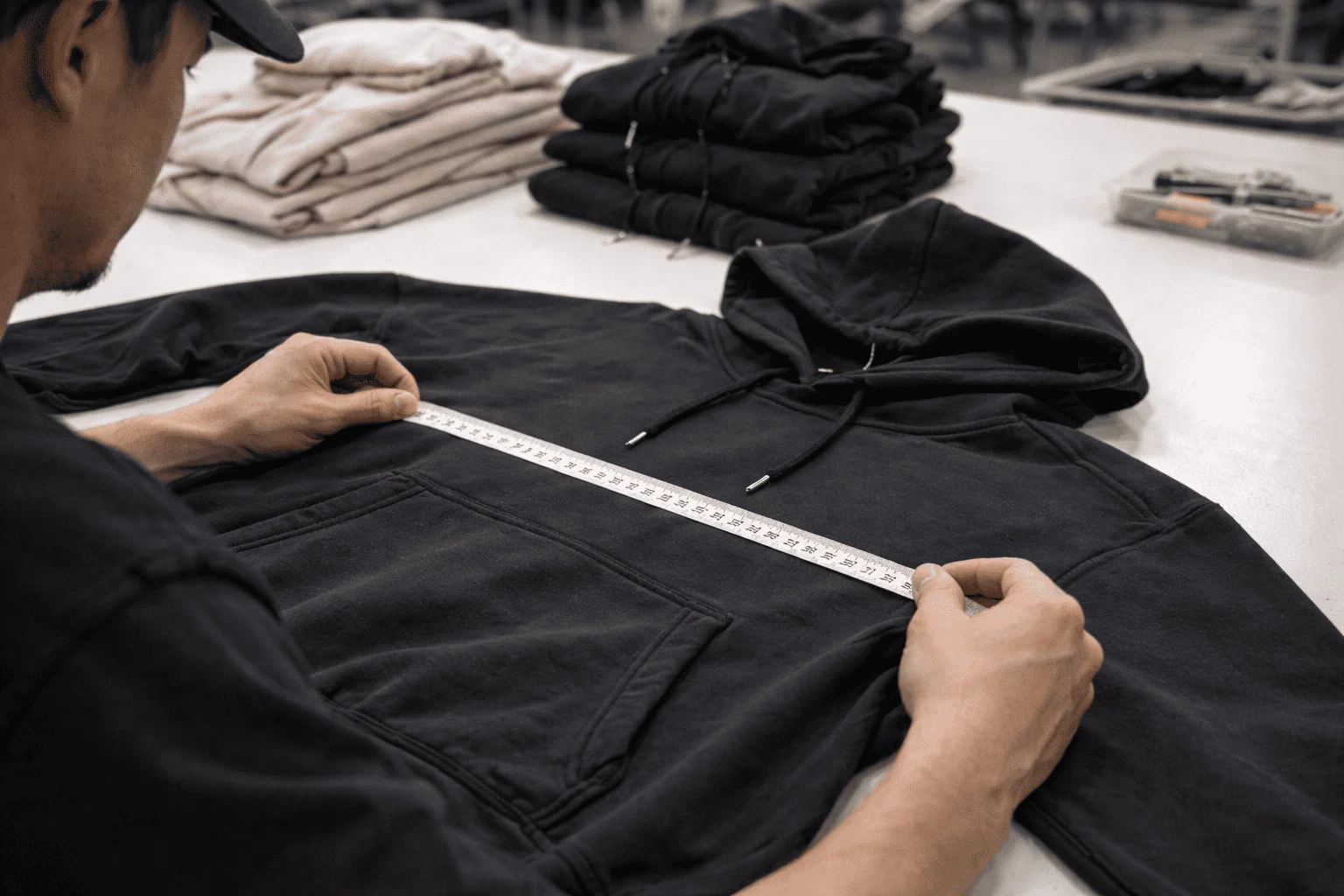
Procuring a high-volume outerwear order for a growing business, varsity athletic club, or lifestyle clothing label requires far more than glancing at catalog thumbnail photos and picking the lowest price point. Because hooded sweatshirts involve multiple structural components—including lined hoods, dyed drawcords, kangaroo pockets, and ribbed cuffs—minor shortcuts in manufacturing quickly show up in the finished product. A fleece style that looks great on a digital mockup can easily arrive with an irregular fit, weak seam tension, or a rough interior that pills after the first wash cycle.
Navigating the market for high-quality blank hoodies wholesale requires an analytical framework that balances raw textile specifications against commercial printing methods and long-term durability. By comparing fabric weights, yarn construction, and supplier logistics before cutting a purchase order, procurement leads can protect their budgets and deliver outerwear that recipients wear for years.
The first step in comparing hoodie blanks is looking past the generic description and checking the exact fiber blend and fabric weight. Fleece weight directly determines how the garment drapes on the body, how much warmth it provides, and how well it handles automated commercial printing.
Ultra-lightweight fleeces under seven ounces often lack the structural density required for crisp decoration or cold-weather warmth, frequently stretching out along the waistline after light wear. Midweight fleece (8.0 to 8.5 oz) serves as an adaptable sweet spot for corporate uniforming, campus spirit wear, and seasonal transitions, offering cozy interior insulation without feeling overly bulky. Heavyweight options (9.5 to 12 oz) provide a sturdy, architectural drape favored by modern streetwear labels and outdoor field crews.
The fiber ratio also determines how the garment breathes and performs over time. While one hundred percent cotton delivers unmatched softness and accepts water-based discharge printing effortlessly, adding twenty to forty percent polyester provides crucial tensile strength, reduces home laundry shrinkage, and helps the hoodie retain its shape over time.
Printing vibrant, high-energy garments introduces distinct challenges for press technicians managing ink opacity and color fidelity. Ordering a high-impact base like red hoodies provides an eye-catching foundation for athletic teams, collegiate spirit merchandise, and energetic marketing activations, but the underlying red disperse dye requires disciplined press management.
When saturated crimson or scarlet fabrics pass under flashing units or through conveyor dryers, volatile fabric dyes can gasify, rising through wet ink layers and turning crisp white graphics into muddy pinks.
Print facilities overcome dye migration on bold grounds by printing an opaque, low-bleed blocker underbase followed by low-cure top inks. This barrier prevents dye sublimation before it starts, keeping graphics sharp, bright, and true to the original design on blank hoodies for printing.
The method used to spin raw yarn fibers dramatically impacts both garment comfort and print clarity. Budget fleece blanks manufactured from coarse open-end carded yarns leave short, jagged fiber tips exposed across the knit surface, creating a scratchy feel that sheds lint and pills quickly under friction.
In contrast, combed and ring-spun cotton undergoes an intensive combing stage that removes short, irregular strands. The remaining long-staple fibers are tightly twisted into a dense, smooth yarn structure.
A smooth ring-spun face provides an exceptionally flat printing surface, preventing ink bleeding and allowing screen printers to execute crisp typography, intricate line work, and smooth halftones without rough fabric fuzz poking through the cured ink film on durable blank hoodies.
Because hooded pullovers experience significant mechanical tension when pulled over the head and during physical movement, inspecting physical construction details is essential before ordering across diverse wholesale clothing options.
High-caliber blanks feature double-needle stitching along the neck opening, armholes, pouch pocket corners, and waistband. Reinforced bar-tack stitching at the kangaroo pocket stress points prevents common tears caused by hands resting in the pocket or carrying heavy mobile devices.
Pay close attention to hood design as well. A three-piece jersey-lined hood lies flat against the upper back when down and contours comfortably around the head when worn, whereas cheap unlined two-piece hoods tend to stand up awkwardly and pull uncomfortably across the neck.
A frequent mistake in volume apparel purchasing is ordering equal quantities across all garment sizes. Adult populations do not follow flat demographic distributions, and ordering equal quantities of Small, Medium, Large, and Extra Large guarantees shortages in core sizes while leaving unwanted inventory lingering in storage closets.
Structuring volume purchases around proven sizing distributions protects budgets and ensures every recipient receives a comfortable, properly fitting piece for custom hoodie designs.
In general corporate, collegiate, and retail streetwear environments, demand concentrates heavily around Medium, Large, and Extra Large.
A reliable adult distribution curve for mixed groups allocates:
Adjusting these ratios based on historical team demographics prevents dead stock from piling up in storage rooms while ensuring popular sizes remain available throughout distribution.
See also: How to Avoid Giving Answers That Are Too Long
Always include a five to eight percent unprinted or decorated reserve across core middle sizes when submitting master purchase orders. Staff counts change, contractors transition to permanent roles, and size swaps naturally occur during live distribution events.
Holding an organized buffer of unprinted or decorated garments prevents team managers from placing frantic, short-run reorders that carry high screen setup fees and emergency express freight charges.
Unclaimed buffer garments can easily be repurposed into new-hire welcome kits, awarded as spot milestone gifts, or saved for incoming group members joining later in the season.
Ordering team outerwear requires reliable blank stock and predictable delivery tracking. If a shipment gets delayed, team retreats, seasonal kickoffs, and executive offsites are left without the apparel that ties the event together.
Establishing steady procurement partnerships shields your operations team from stockouts and keeps fulfillment pipelines moving smoothly.
Operations managers and corporate event planners need supply partners who provide transparent warehouse inventory levels and fast shipping turnarounds. When suppliers face sudden backorders, project schedules slip and critical team deadlines get missed.
Working with dependable distributors like Simplstc Apparel gives corporate buyers direct access to well-stocked fleece blanks with consistent dye lots and reliable sizing curves. Ordering blank inventory through dedicated commercial channels via simplstcapparel.com allows teams to plan annual apparel programs around verified stock counts and clear freight schedules.
Maintaining a dependable supply pipeline gives your administrative team the confidence to schedule major company rollouts without worrying about inventory gaps or backorders.
Set up an intake inspection routine as soon as master cartons hit your receiving dock. Once a blank garment is embroidered or printed, suppliers cannot accept it for exchange or credit.
Open boxes upon arrival and verify piece counts, colors, and size splits against your packing slip before sending goods to the print shop. Pull random samples from each box to check hood eyelets, pouch pockets, and wrist cuffs for dropped stitches or knitting flaws.
Catching rare factory defects before hooping or printing protects your project schedule and guarantees that finished outerwear looks pristine.
The decoration method you select must complement the fabric weight and seam placement of the chosen hoodie blank. Heavy, stiff plastisol prints spanning across kangaroo pocket seams crack prematurely and pull awkwardly against the knit.
Left-chest embroidery offers a refined, executive appearance that elevates midweight fleece into polished workplace attire.
Soft-hand discharge or water-based inks soak directly into the cotton knit, keeping large back prints breathable and flexible without creating a stiff panel across the torso.
Direct-to-film transfers deliver exceptional photographic resolution and crisp edge definition for complex corporate emblems and multi-sponsor graphics.
Comparing hoodie blanks before placing a bulk order ensures that your investment delivers lasting comfort, aesthetic appeal, and brand authority. By evaluating fabric weights, ring-spun yarn construction, seam tolerances, and verified wholesale supply channels, procurement managers can confidently separate short-lived promotional giveaways from enduring wardrobe essentials.
Investing in high-caliber blanks and disciplined decoration creates garments that hold their shape, soft feel, and color through dozens of wash cycles.
A thoughtful comparison process protects your organization’s budget, streamlines fulfillment logistics, and guarantees that your team or community wears their apparel with lasting pride.
