Newsletter Subscribe
Enter your email address below and subscribe to our newsletter

 ByJohn A
Healthcare organisations handle large amounts of sensitive information, including patient records, medical histories, insurance details, billing information, and personal identification data. Protecting this information is essential for maintaining patient privacy and meeting regulatory requirements. When computers, servers, and other storage devices reach the end of their useful life, organisations must ensure that the information stored on them cannot be accessed by unauthorised individuals. HIPAA compliant hard drive destruction plays an important role in preventing data breaches and supporting secure information disposal.
Simply deleting files or formatting a hard drive does not always remove the information permanently. Data may remain recoverable through specialised software and techniques. Proper destruction methods help ensure that sensitive healthcare information is no longer accessible when storage devices are retired, replaced, or disposed of.
The Health Insurance Portability and Accountability Act (HIPAA) establishes requirements for protecting certain health information in the United States. These requirements apply to covered entities, such as healthcare providers, health plans, and healthcare clearinghouses, as well as business associates that handle protected health information on their behalf.
Protected health information (PHI) includes identifiable information relating to an individual’s health, healthcare services, or payment for healthcare. Electronic protected health information (ePHI) refers specifically to this information when it is created, received, maintained, or transmitted electronically.
Data protection responsibilities do not end when a storage device is no longer being used. Hard drives may contain years of confidential information, even when a computer has been replaced or a server has been taken out of service.
If these devices are discarded without appropriate safeguards, someone may recover stored information and use it for identity theft, fraud, or other unauthorised purposes. Secure disposal helps reduce these risks and supports the protection of patient confidentiality throughout the information lifecycle.
The HIPAA Security Rule includes requirements relating to the disposal of electronic protected health information and the reuse of electronic media. Organisations must implement appropriate policies and procedures to address these activities.
The specific measures required depend on the organisation, the information involved, and the applicable circumstances. Proper disposal procedures should ensure that ePHI is rendered unusable, unreadable, or indecipherable to unauthorised individuals. Hard drive destruction is one approach that can help achieve this objective.
Hard drives store information in ways that may allow recovery even after files have been deleted. A structured destruction process helps prevent sensitive information from falling into the wrong hands.
A data breach can expose patient names, addresses, medical records, insurance details, and other confidential information. Such incidents may result from cyberattacks, improper device disposal, or unauthorised access to discarded equipment.
Destroying hard drives using an appropriate method reduces the possibility of recovering information from retired devices. This is particularly important for healthcare facilities that regularly replace computers, upgrade servers, or decommission electronic equipment.
A secure disposal process also helps organisations manage risks associated with outdated technology and storage devices that can no longer be used reliably.
Patients expect healthcare providers to handle their personal and medical information responsibly. Unauthorised disclosure can affect their privacy, reputation, and financial security.
Secure hard drive destruction supports patient confidentiality by ensuring that sensitive information does not remain accessible after the device has reached the end of its operational life.
Maintaining appropriate disposal procedures demonstrates that an organisation considers privacy throughout the entire lifecycle of patient information, rather than focusing only on how data is collected and stored.
Healthcare organisations must establish procedures that address the secure disposal and reuse of electronic media containing protected health information. Failing to implement appropriate safeguards may create compliance risks.
HIPAA compliant hard drive destruction can form part of a broader information security programme that includes access controls, risk assessments, workforce training, incident response, and records management.
However, no single destruction method automatically guarantees HIPAA compliance. Organisations should assess their circumstances, document their procedures, and ensure that disposal practices meet applicable regulatory requirements.
Different destruction methods are suitable for different storage devices, security requirements, and operational environments. The chosen approach should ensure that sensitive information cannot be recovered using reasonable techniques.
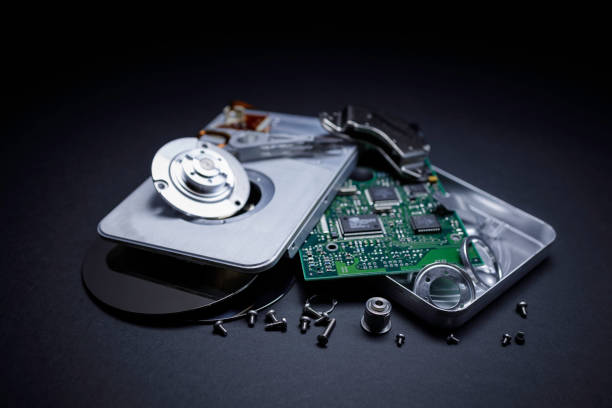
Physical destruction damages the storage medium so that it can no longer function as a usable data storage device. Methods may include shredding, crushing, or other specialised processes designed to destroy the internal components.
This approach can be appropriate when drives are defective, obsolete, or no longer required. It is particularly useful when organisations want to prevent the future reuse of devices containing sensitive information.
The destruction method should be suitable for the type of storage media involved. For example, solid-state drives use different storage technology from traditional magnetic hard drives, so the process must account for those differences.
Data sanitisation involves applying a method designed to make stored information inaccessible. Depending on the device and security requirements, this may involve approved software-based techniques, specialised equipment, or other recognised sanitisation processes.
Proper sanitisation can allow some storage devices to be reused or redeployed when permitted by organisational policies and applicable requirements.
Simply deleting files or performing a quick format is not equivalent to reliable sanitisation. Organisations should verify that the selected method is appropriate for the storage technology and the sensitivity of the information.
The correct approach depends on several factors, including the type of device, the sensitivity of the information, the possibility of future reuse, and the organisation’s risk assessment.
Healthcare facilities should establish clear criteria for selecting sanitisation or physical destruction. They should also ensure that the chosen process is consistently applied and that any third-party service providers follow the required security procedures.
A reliable disposal programme involves more than destroying a storage device. Organisations should maintain control over the process from the moment equipment is identified for disposal until the required safeguards have been completed.
An inventory helps organisations identify which devices contain or may contain sensitive healthcare information. Records should include relevant device details, assigned locations, and disposal status.
Tracking devices reduces the likelihood of equipment being lost, overlooked, or discarded before the required security measures are completed.
Hard drives awaiting destruction should be stored securely, with access limited to authorised personnel. Appropriate collection, transportation, and storage procedures help prevent theft or accidental disclosure.
If devices are transported to another location for destruction, organisations should maintain custody records and use suitable safeguards throughout transit.
Documentation provides evidence that the organisation followed its established disposal procedures. Records may include device identifiers, destruction dates, the method used, responsible personnel, and relevant verification details.
When an external service provider is involved, a certificate of destruction may provide useful supporting documentation. Organisations should confirm what the certificate covers and retain records according to their policies and applicable requirements.
Healthcare organisations that outsource hard drive destruction remain responsible for evaluating the risks associated with how protected information is handled.
Before engaging a provider, organisations should assess its security procedures, employee access controls, transportation practices, destruction methods, and documentation processes. Contractual arrangements should address applicable privacy and security obligations.
Where the provider qualifies as a HIPAA business associate, a business associate agreement may be required.
Improper disposal can expose healthcare organisations to several operational and security risks. Recoverable patient information may be used for fraudulent activities, while a loss of confidentiality can undermine patient trust.
Organisations may also face investigations, corrective action requirements, reputational damage, and potential financial consequences if a failure to protect information results in a reportable breach or regulatory violation.
Common mistakes include assuming that deleting files permanently removes them, overlooking backup drives, failing to track retired equipment, and allowing unauthorised personnel to handle devices.
Regular reviews of disposal policies can help identify these weaknesses and ensure that procedures remain suitable as technology and organisational requirements change.
See also: How to Compare Blank Hoodie Options for Quality and Customization
HIPAA compliant hard drive destruction is an important part of protecting sensitive healthcare information and reducing the risk of unauthorised data recovery. By selecting appropriate destruction or sanitisation methods, maintaining secure handling procedures, documenting completed work, and evaluating third-party providers, healthcare organisations can strengthen their information security practices.
A consistent approach to electronic media disposal helps protect patient privacy, supports HIPAA compliance efforts, and reduces risks associated with outdated or retired storage devices. Integrating secure destruction into the organisation’s wider data protection programme ensures that confidential information remains protected even when the equipment used to store it is no longer needed.